 X
X
 100%
100%
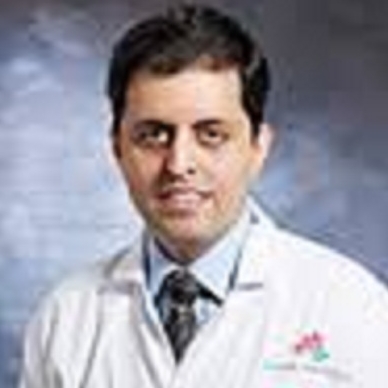
DR PETTARUSP WADIA
Neurologist
- Fees: INR 2,500
-
Saturday 8:00 AM - 11:00 AM
(See all timing)Saturday 8:00 AM - 11:00 AM
Introduction
Dr. Pettarusp is a top most Neurologist in Mumbai having a vast experience of more then 20 years. Dr. Wadia is best known for treating disorders related to movements. He runs his private MOVEMENT-DISORDER CLINIC at Jaslok Hospital.
Hospital Associations
Jaslok Hospital & Research Centre.
Services/Interest
- Movement Disorders
- Botulinum Toxin Therapy
- Deep Brain Stimulation.
Experience
Dr. Wadia completed his neurology training from the Topiwala National Medical College. After completing his medical training in India, he pursued a 2.5 years Movement Disorders fellowship at the University of Toronto, Canada under Dr. Anthony Lang and Dr. Elena Moro. The fellowship included a 6 month training program in caring and programming patients who had received Deep Brain Stimulation. During his fellowship he had the opportunity to present his research paper on restlessness in Parkinson at the prestigious American Academy of Neurology as a platform presentation. Consulting doctor at Jaslok Hospital and Research Center since October 2008.
Awards and Recognitions
Wadia PM, Howard P, Ribeirro M, Robble J, Asante A, Mikulis D, Lang AE. The value of GRE, ADC and routine MRI in distinguishing parkinsonian disorders, Canadian Journal of Neurol Sciences, 2013; 40: 389-402. Wadia PM, Tan G, Munhoz RP, Fox SH, Lewis SJ, Lang AE. Surgical correction of kyphosis in patients with Camptocormia due to Parkinson’s disease – A retrospective evaluation. J Neurol Neurosurg Psych 2011;82(4):364-368. Wadia PM, Lim SY, Lozano AM, Adams JR, Y Poon, C Torresdiaz, Moro E. Bilateral Pallidal Stimulation for X Linked Dystonia Parkinsonism (XDP). Archives of Neurol 2010;67(8):1012-1015.
Education
M.B.B.S. M.D. ( B. J. Medical College, Pune - 2002). D.N.B. ( B. J. Medical College, Pune - 2002). D.M. ( Topiwala National Medical College, Mumbai - 2005). D.N.B. ( Topiwala National Medical College, Mumbai - 2005).
I Speak
English,Hindi
Feedback For Dr Pettarusp Wadia
Write FeedbackASHOK LABANIA
(24 May 2023)Rupali Jain
(16 Mar 2023)Ranjani Sundaraman Sundaraman
(07 Jul 2020)Harmati Pandey
(18 Jan 2023)BHARTIBEN PATEL
(01 Dec 2022)Sameer Shaikh
(07 Nov 2022)Shiraz Buhariwalla
(04 Oct 2022)Jerani Merchant
(14 Sep 2022)Kekayun Dhondy
(14 Jul 2022)Lata Rangaswamy Rangaswamy
(01 Sep 2020)Lester Dsouza Dsouza
(03 Jul 2020)Jaslok Hospital And Research Centre Timing
Saturday
8:00 AM - 11:00 AM
Online Consultations
Monday
9:00 AM - 1:00 PM
Tuesday
5:00 PM - 6:00 PM,10:00 AM - 5:00 PM
Wednesday
12:00 PM - 1:00 PM,3:00 PM - 5:00 PM
Thursday
10:00 AM - 1:00 PM,2:00 PM - 8:00 PM
Friday
1:00 PM - 5:00 PM,8:00 AM - 1:00 PM
Saturday
9:00 AM - 11:00 AM
What is a neurologist?
Neurology is the branch of medicine that focuses on study and treatment of disorders of the nervous system. A neurologist is a physician who specializes in treating diseases of the nervous system which is made of two parts: the central and peripheral nervous system. It includes the brain and spinal cord.
Before neurologists can practice, they must:
- Graduate from medical school
- Complete an internship
- Receive 3 years of training in a Neurology residency program.
What are the diseases treated by the neurologists?
- Stroke and Neurological trauma
- Tumors of the nervous system
- Infections of the nervous system
- Multiple sclerosis and other autoimmune diseases
- Epilepsy and Headaches
- Peripheral nerve disease
- Neuromuscular diseases
- Dementia
- Movement and Sleep disorders
When should you go and see a neurologist?
A person should go and see a neurologist if he is suffering from:
- Severe headaches and chronic pain.
- Dizziness, numbness or tingling.
- Chronic weakness.
- Problems with movement and vision problems.
- Seizures
- Difficulty in thinking and sleep problems.
What tests are done by a neurologist?
Tests performed by neurologists are Neurological Diagnostic Tests, Brainstem Auditory Evoked Response (BAER) Test, Carotid Duplex (Carotid Ultrasound), Cerebral Angiography (Also Called Vertebral Angiogram or Carotid Angiogram), Computed Tomography (CT or CAT scan), Discography, Doppler Ultrasound, Electroencephalogram (EEG), Electromyography (EMG), Intrathecal Contrast Enhanced CAT Scan, Lumbar Puncture (Spinal Tap), Magnetic Resonance Imaging (MRI), Magnetic Resonance Angiogram (MRA)/Magnetic Resonance Venogram (MRV), Myelogram, Nerve Conduction Study, Oculoplethysmography (OPG), Positron Emission Tomography (PET) Scan, Selective Nerve Root Block, Single Photon Emission Computed Tomography (SPECT) Scan, and Somatosensory Evoked Response (SSER) Test.
What is the difference between neurologist and psychiatrist?
Neurological practice relies on the field of neuroscience, the scientific study of the nervous system while psychiatry is the medical specialty devoted to the diagnosis, prevention, study, and treatment of mental disorders. A neurologist is a physician specializing in the treatment of exogenous (organic) disorders that are caused by organic brain damage, and psychiatrist is a physician that treats endogenous disorders that are not attributable to any external or environmental factor. They are due to biological, physiological, genetic mental reactions, states, and development, which is caused by the internal constitutional disorder.
How to prepare for your first appointment with a neurologist?
Write down the symptoms and other health information, including medications, previous illnesses, allergies, and your family's history of the disease. Make a list of your questions. Have the previous test results sent in advance, or take them with you. Don't be hesitant to ask questions if you're confused about something. Make sure you understand the diagnosis and treatment and any further steps that have been suggested you need to take.